

If your heels crack every winter, your elbows feel like sandpaper, and your face gets flaky no matter how much moisturizer you slather on, there’s a good chance you’ve been overlooking one of dermatology’s quietest workhorses: urea. It sounds clinical (and yes, it’s derived from a compound your own skin naturally produces), but this humble humectant does double duty — pulling water into dry patches while gently dissolving the dead cells that make skin feel rough. From your scalp to your soles, urea is the multitasker that finally makes ‘soft everywhere’ a realistic goal rather than a marketing promise.
Why This Is Trending Right Now
Urea has been a staple in European pharmacies for decades, but it’s only recently crossed over into mainstream American and UK beauty conversations. Part of the reason is the ongoing ‘skinimalism’ movement — shoppers are tired of ten-step routines and want ingredients that pull their weight. Urea checks that box because it hydrates AND exfoliates depending on the concentration, meaning one product can replace two.
The other driver is TikTok’s obsession with ‘slugging’ and barrier repair. As people learned more about the skin barrier, urea’s dual role as both a natural moisturizing factor (NMF) and a keratolytic agent made it the perfect crossover ingredient. Add in the affordability factor — many urea creams cost under $20 — and it’s easy to see why beauty editors and dermatologists alike are giving it a fresh spotlight this season.
What Makes These Products Stand Out
The magic of urea lies in its versatility, which is entirely dose-dependent. At low concentrations (2–10%), it functions as a humectant, binding moisture into the skin for a plump, hydrated finish. At higher concentrations (10–40%), it becomes keratolytic, actively breaking down the bonds between dead skin cells to smooth calluses, thick heels, and stubborn flaky patches.
What sets urea apart from other exfoliants like AHAs is how gentle it is. It rarely causes the stinging or sensitivity that glycolic or salicylic acid can, making it suitable for eczema-prone and reactive skin.
- Dual action: Hydrates at low doses, exfoliates at high doses
- Barrier-friendly: A natural component of skin, so it’s well tolerated
- Full-body versatility: Works on face, hands, elbows, feet, and even scalp
- Boosts other actives: Enhances penetration of ingredients layered on top
How to Use Them: Step-by-Step
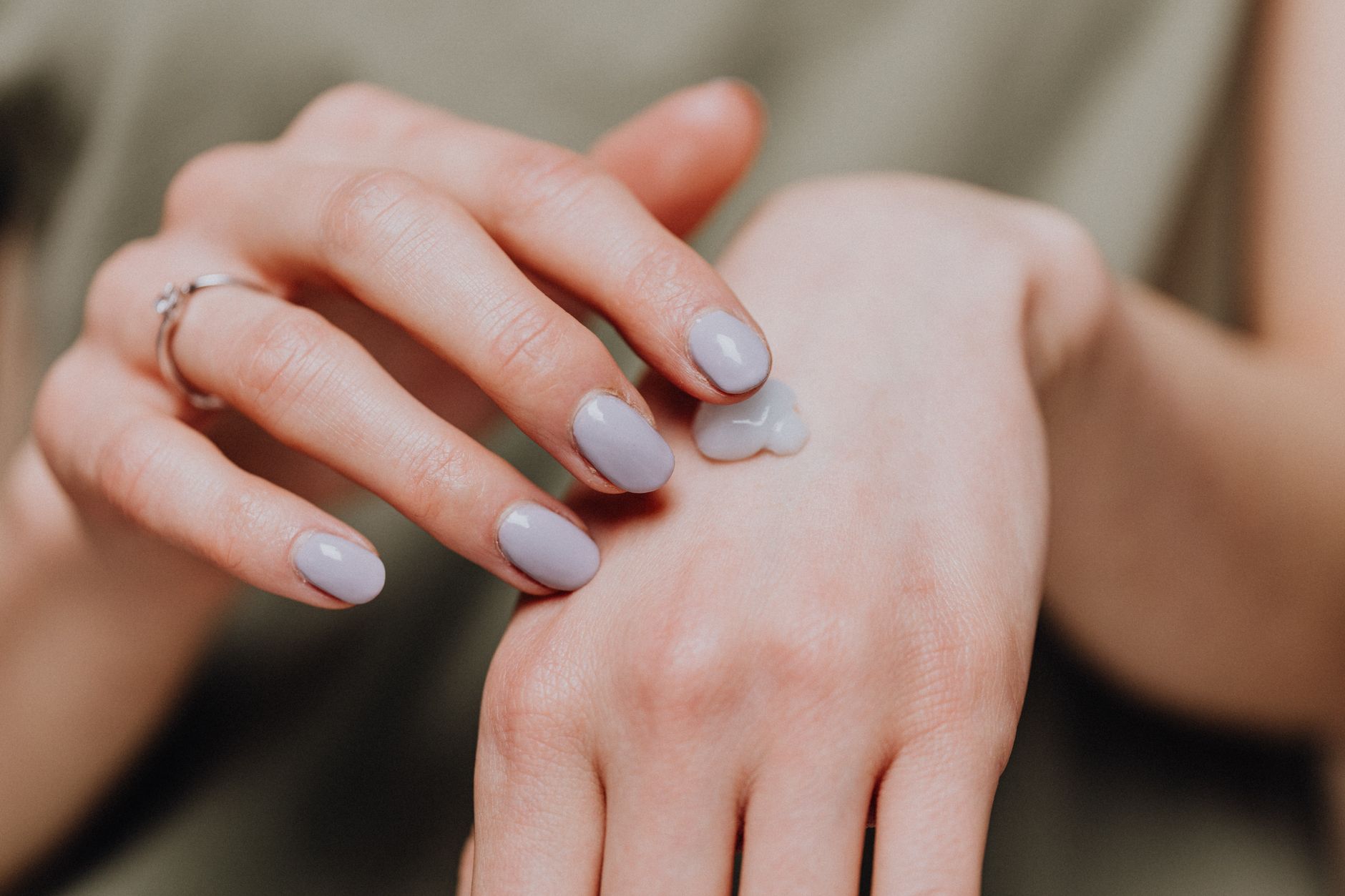
Start by identifying your goal. For everyday facial hydration, reach for a low-percentage formula (around 5–10%) and apply it after cleansing, either alone or mixed into your regular moisturizer. Massage it in while skin is slightly damp to lock in the most water. Because urea can lightly exfoliate, follow with SPF in the morning to protect newly resurfaced skin.
For rough body areas — think elbows, knees, and hands — a 10–20% cream works beautifully applied once daily after showering. Give it a few minutes to absorb before dressing so it doesn’t rub off. Consistency matters more than intensity here; you’ll notice softer texture within a week of regular use.
For seriously cracked heels or thick calluses, go higher: a 25–40% foot cream applied nightly, ideally sealed under cotton socks, will transform your feet over two to three weeks. If you’re using a high-concentration urea alongside acids or retinoids, introduce it slowly — every other night at first — to avoid over-exfoliating. And always patch test on your inner arm before committing to a full-face application.
Our Top Picks Right Now
For the face, The Ordinary Urea 10% + HA Emulsion (about $10) is the standout budget choice — it pairs urea with hyaluronic acid for a lightweight, non-greasy finish that suits normal to dry skin. If you want a richer option, CeraVe SA Smoothing Cream (around $16) blends urea with salicylic acid and ceramides, making it ideal for bumpy ‘chicken skin’ on arms and thighs.
For hardworking feet, Eucerin Advanced Repair Foot Cream (roughly $9) uses a high urea concentration to tackle cracked heels overnight and is a favorite for anyone on their feet all day. Hand-care devotees should try O’Keeffe’s Working Hands Cream (about $8), which relies on urea to repair severely dry, chapped skin fast. For a splurge, La Roche-Posay Lipikar Urea 5+ Lotion (around $25) is a gentle, fragrance-free body pick perfect for eczema-prone and sensitive skin types.
Mistakes to Avoid
Urea is forgiving, but a few missteps can undermine your results or irritate your skin. Keep these in mind as you build it into your routine.
- Using high concentrations on your face: Stick to 10% or lower for facial skin to avoid irritation
- Skipping SPF: Exfoliated skin is more sun-sensitive, so daily sunscreen is non-negotiable
- Stacking too many actives at once: Combining strong urea with retinoids and acids overnight can compromise your barrier
- Applying to broken or bleeding skin: Wait for deep cracks to close before using a high-percentage keratolytic formula
Final Verdict
Urea deserves a permanent spot in your bathroom cabinet. It’s inexpensive, remarkably well tolerated, and genuinely effective whether you need everyday hydration or serious callus-busting power. For most people, we’d start with The Ordinary Urea 10% + HA Emulsion for the face and O’Keeffe’s or Eucerin for the body — an under-$30 trio that softens skin from head to toe.
🛍 Shop These Products
- The Ordinary NiacinamideSephoraShop Now →
- CeraVe Moisturising CreamAmazonShop Now →
- La Roche-Posay TolerianeAmazonShop Now →
- MAC Pro Longwear ConcealerAmazonShop Now →
✦ This post contains affiliate links. If you purchase through our links, we may earn a small commission at no extra cost to you. We only recommend products we genuinely love.