
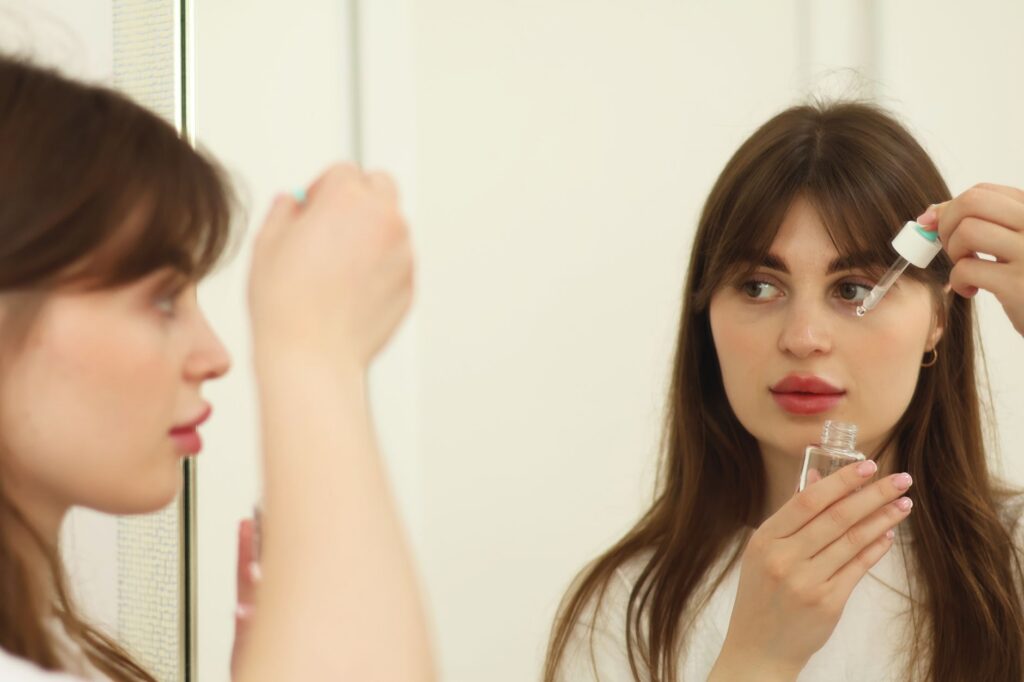
If your skincare shelf is stocked with serums but your complexion still lacks that luminous, poreless finish everyone’s chasing, the missing link might not be another bottle—it might be a device. Korean skincare has quietly shifted from a product-first philosophy to a tech-forward one, and the results speak for themselves. Microcurrent, LED, and ultrasonic tools that once lived only in dermatologists’ offices now sit on bathroom counters from Seoul to Seattle. The promise? That coveted ‘glass skin’ effect: smooth, dewy, and reflective, as if lit from within. Here’s exactly which devices deliver and how to use them without wasting money or damaging your skin.
Why This Is Trending Right Now
Glass skin has been a buzzword since 2018, but the 2026 iteration is less about layering ten essences and more about stimulating the skin’s own repair mechanisms. Consumers are burnt out on 12-step routines and are gravitating toward tools that do more with less time. A single 5-minute microcurrent session can visibly lift and firm in ways that no amount of moisturizer can, which is why searches for at-home beauty devices have surged over the past year.
There’s also a financial logic at play. A high-end LED mask costs a few hundred dollars upfront but replaces recurring spa visits that run $150 a session. As inflation pinches beauty budgets, women are rethinking where they spend—and a reusable device that lasts years suddenly looks smart. Add in the influence of K-beauty creators demonstrating real before-and-after transformations, and it’s clear why devices are the fastest-growing category in skincare this year.
What Makes These Products Stand Out
Not all skincare gadgets are created equal, and the Korean-engineered ones tend to prioritize gentle, clinically studied technology over flashy marketing. The best devices combine multiple modalities—microcurrent to tone facial muscles, LED to target specific concerns, and ultrasonic vibration to boost product absorption—so you’re not buying four separate tools.
When evaluating a device, these are the features that genuinely matter and separate the effective ones from the gimmicks:
- Medical-grade LED wavelengths—red (630nm) for collagen and near-infrared for deeper repair, not just colored lights.
- Adjustable microcurrent intensity so beginners can start low and build tolerance safely.
- Conductive gel compatibility—microcurrent only works with a proper conductive medium, so bundled gel matters.
- FDA clearance or equivalent safety certification, which weeds out the untested knockoffs flooding online marketplaces.
How to Use Them: Step-by-Step
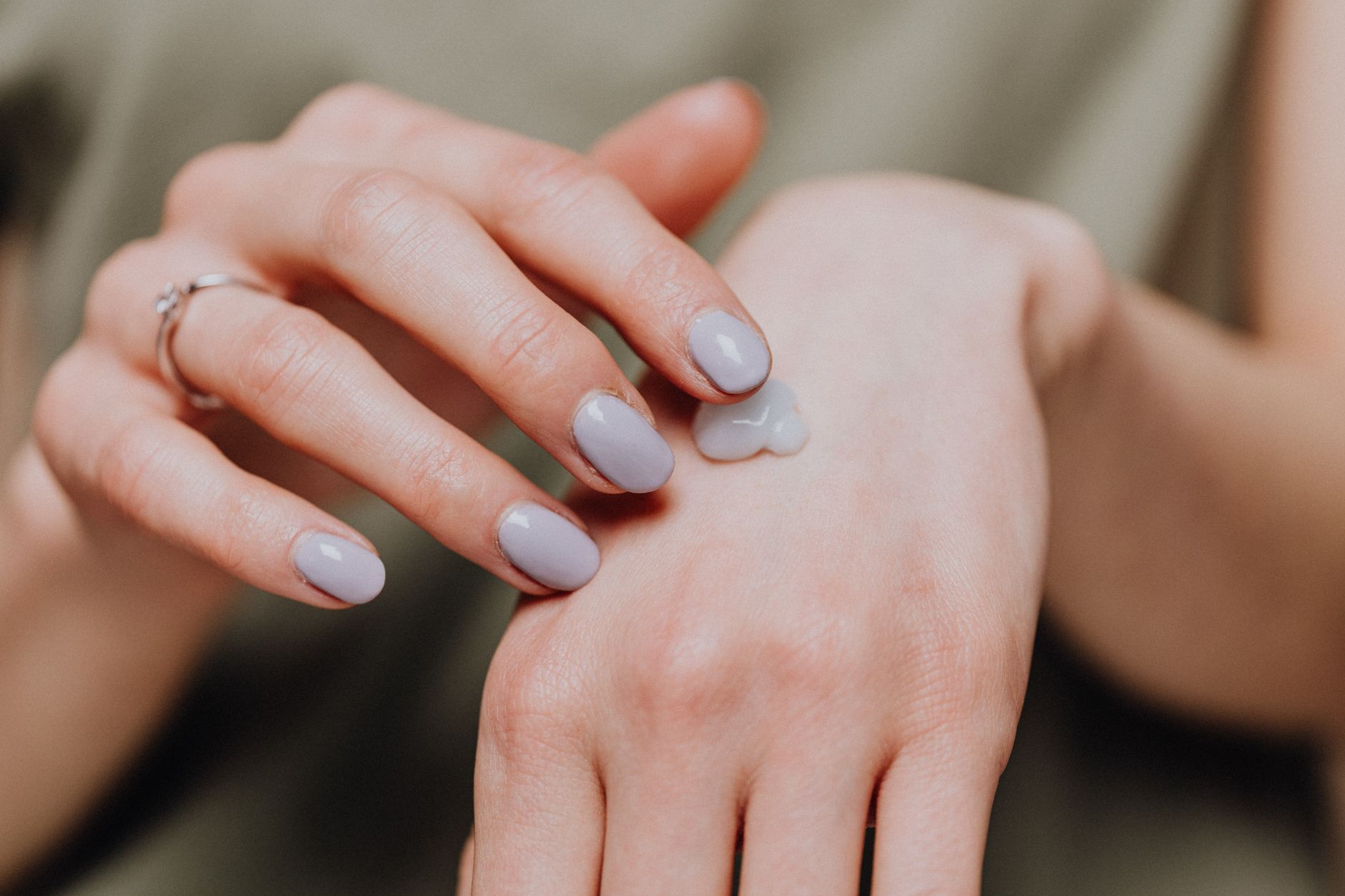
Start with a completely clean, dry face. Remove all makeup and cleanse thoroughly, because oils and residue interfere with both microcurrent conductivity and LED penetration. If your device is microcurrent-based, apply a generous layer of conductive gel—never use it on dry skin, which can cause an uncomfortable zapping sensation and yields no results.
Glide the device slowly upward and outward, following the natural contours of your face. Move from the center outward: start at the jawline and sweep toward the ears, then move up the cheeks and finish along the forehead. Hold each stroke for three to five seconds and never drag downward, as you want to encourage a lifting effect. Sessions should last five to ten minutes, three to five times per week for the first month, then two or three times weekly for maintenance.
For LED masks, timing is simpler but consistency is everything. Wear the mask for the manufacturer’s recommended duration—usually 10 to 20 minutes—on bare, clean skin before applying serums. Follow every treatment with a hydrating essence like COSRX Advanced Snail 96 Mucin Power Essence and a moisturizer to lock in results. Results are cumulative, so expect visible plumpness within two weeks and firmer contours by week six.
Our Top Picks Right Now
For microcurrent, the NuFACE Trinity+ Starter Kit ($395) remains the gold standard, best for anyone over 35 wanting visible lifting and jawline definition. If you want K-beauty engineering specifically, the Medicube Age-R Booster Pro ($299) combines microcurrent, EMS, and derma-shot technology in one sleek tool and suits those who want an all-in-one device without juggling multiple gadgets.
For LED, the Dr. Dennis Gross DRx SpectraLite FaceWare Pro ($455) delivers red and blue light for both anti-aging and acne, ideal for combination or breakout-prone skin. On a tighter budget, the CurrentBody Skin LED Light Therapy Mask ($399) is flexible, comfortable, and endorsed by dermatologists—perfect for first-time device buyers who want salon-level red light at home. Pair any of these with a conductive gel or a hyaluronic serum for best absorption.
Mistakes to Avoid
Devices are powerful, but misuse can leave you disappointed or irritated. Steer clear of these common pitfalls that undermine your results and your investment:
- Skipping conductive gel with microcurrent—dry application is ineffective and uncomfortable.
- Overusing the device daily, thinking more is better; your skin needs recovery time between sessions.
- Buying uncertified dupes from unverified sellers, which may use unsafe or ineffective wavelengths.
- Expecting instant miracles and quitting after a week—these tools reward patience and consistency.
Final Verdict
If you’re ready to graduate from products to genuine skin transformation, a quality device is worth the splurge. For most people, the NuFACE Trinity+ or the CurrentBody LED Mask offers the best balance of proven results and ease of use. Commit to consistent sessions for at least six weeks, pair them with a solid hydrating routine, and that elusive glass-skin glow becomes entirely achievable at home.
🛍 Shop These Products
- Olay Regenerist Micro-SculptingAmazonShop Now →
- Tarte Shape TapeAmazonShop Now →
- CeraVe Moisturising CreamAmazonShop Now →
- La Roche-Posay TolerianeAmazonShop Now →
✦ This post contains affiliate links. If you purchase through our links, we may earn a small commission at no extra cost to you. We only recommend products we genuinely love.