

If you’ve ever stared at your bathroom shelf wondering whether you can slather azelaic acid and tretinoin on the same face without triggering a skin meltdown, you’re not alone. These two ingredients have quietly become the power couple of results-driven skincare, promising smoother texture, fewer breakouts, faded dark spots and a genuine glow. But the internet is full of conflicting advice, and the fear of over-exfoliating keeps many people from combining them at all. The good news: dermatologists say you absolutely can use them together, if you’re smart about it. Here’s exactly how to make these two actives work in harmony instead of at war.
Why This Is Trending Right Now
Azelaic acid has gone from a quiet dermatologist recommendation to a full-blown TikTok obsession, largely because it’s one of the few actives that tackles acne, rosacea, and hyperpigmentation without the harsh sting of stronger acids. Meanwhile, tretinoin remains the gold-standard prescription retinoid for both anti-aging and breakouts, and telehealth services have made it easier than ever to get a prescription mailed to your door.
The result is a wave of people building routines around both ingredients at the same time, then panicking when their skin flakes or stings. Search interest in “azelaic acid with tretinoin” has spiked as users try to figure out whether these two heavy hitters cancel each other out or amplify results. The reassuring answer from dermatologists is that they’re actually complementary, azelaic acid can even calm some of the irritation tretinoin causes, making it a smart pairing when introduced carefully.
What Makes These Products Stand Out
Tretinoin works by speeding up cell turnover and stimulating collagen, which is what smooths fine lines, clears pores and evens tone over time. Azelaic acid, derived from grains like barley and wheat, is gentler but multitasks impressively: it’s anti-inflammatory, antibacterial, and a tyrosinase inhibitor, meaning it fades pigment while calming redness.
Used together, they cover more ground than either can alone. Tretinoin drives dramatic renewal; azelaic acid soothes and targets discoloration without adding to the peeling. Here’s why this duo earns its shelf space:
- Complementary mechanisms: Tretinoin resurfaces while azelaic acid brightens and reduces inflammation, so you tackle wrinkles and dark spots at once.
- Redness relief: Azelaic acid’s anti-inflammatory properties can offset the irritation and flushing tretinoin often triggers in the first weeks.
- Acne-fighting synergy: Both unclog pores and fight acne-causing bacteria, making the pair excellent for adult breakouts.
- Gentle enough for sensitive skin: Azelaic acid is pregnancy-safe and well tolerated, a rare quality among active ingredients.
How to Use Them: Step-by-Step
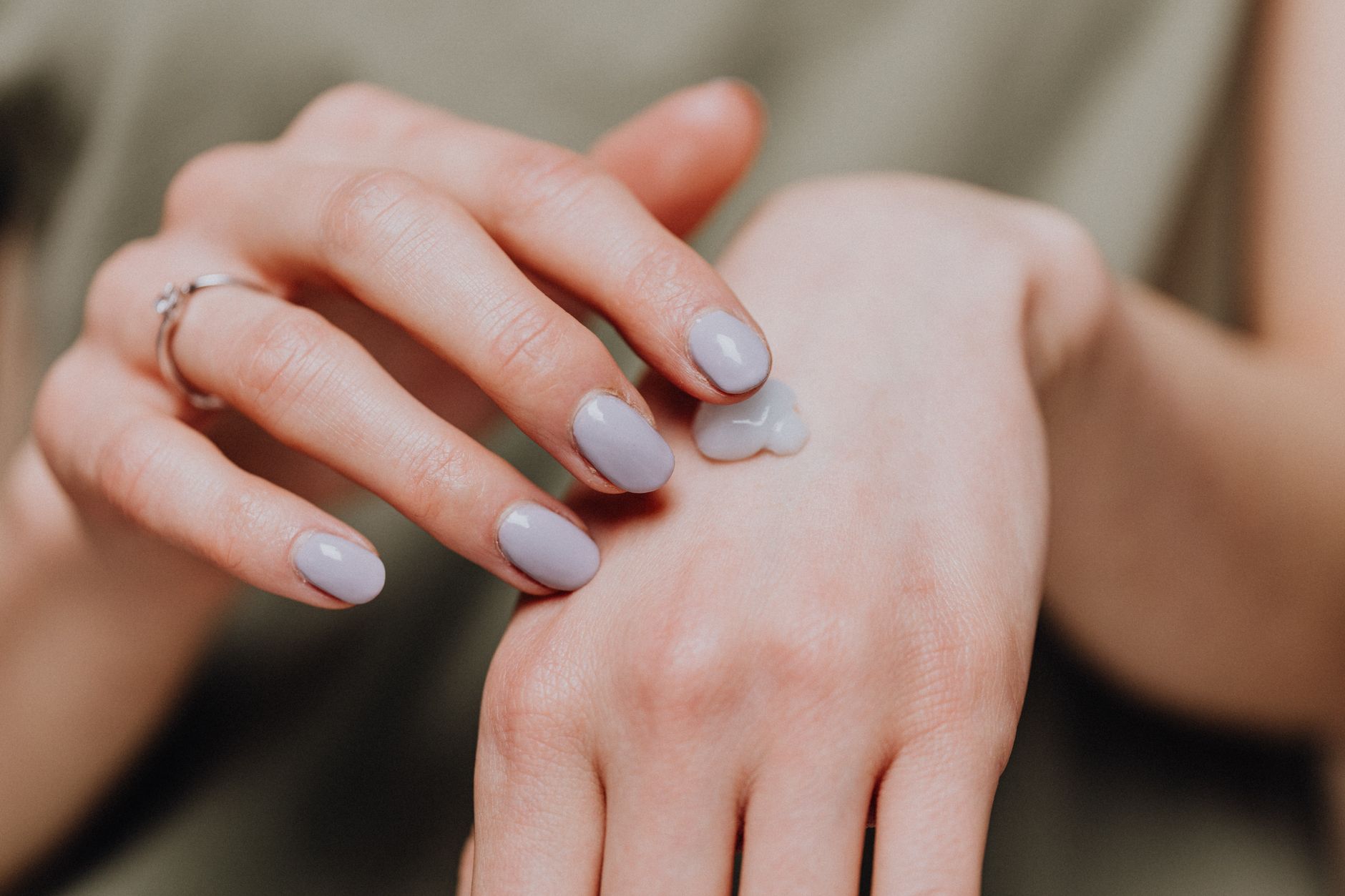
Start by introducing only one active at a time. If you’re new to both, begin with tretinoin for two to three weeks so your skin builds tolerance, then add azelaic acid once the initial flaking settles. Rushing both in at once is the fastest route to a compromised barrier.
The safest approach for most people is alternating: use tretinoin at night and azelaic acid in the morning. Cleanse with a gentle non-stripping wash, apply your azelaic acid to dry skin in the AM, then follow with moisturizer and, crucially, a broad-spectrum SPF 30 or higher since both ingredients increase sun sensitivity. At night, wait until your skin is completely dry after cleansing, apply a pea-sized amount of tretinoin, and seal with a rich moisturizer.
If your skin tolerates both well and you want to use them together in one routine, the “sandwich method” helps: apply a thin layer of moisturizer, then azelaic acid, then tretinoin, buffering irritation. Always start slow, two nights a week for tretinoin, and increase gradually. If you notice stinging, burning, or persistent flaking, scale back the frequency rather than quitting entirely.
Our Top Picks Right Now
For over-the-counter azelaic acid, The Ordinary Azelaic Acid Suspension 10% (about $12) is the affordable cult favorite, best for beginners and anyone on a budget who wants to test the ingredient. If you want a silkier finish, Paula’s Choice 10% Azelaic Acid Booster (around $39) blends in salicylic acid and adenosine, making it ideal for combination and acne-prone skin. For prescription strength, Finacea 15% gel (via your dermatologist or telehealth) suits those with stubborn rosacea and pigmentation.
On the tretinoin side, prescription products like Altreno 0.05% lotion are gentler and hydrating, perfect for dry or sensitive skin, while classic generic tretinoin cream 0.025% is a wallet-friendly starting strength. Pair your actives with a barrier-supporting moisturizer like CeraVe Moisturizing Cream ($19) and protect with La Roche-Posay Anthelios SPF 60 ($37). This combination gives sensitive and mature skin the cushioning it needs to tolerate powerful actives.
Mistakes to Avoid
The most common errors come from impatience and overdoing it. Your skin barrier needs time to adjust, and layering too aggressively can leave you red, raw and worse off than when you started.
- Skipping SPF: Both ingredients boost sun sensitivity, and no results will show through fresh sun damage.
- Starting both actives on the same day: This overwhelms the barrier, introduce them separately.
- Applying to damp skin: Tretinoin absorbs deeper on wet skin, increasing irritation, wait until fully dry.
- Using too much product: A pea-sized amount of tretinoin covers the whole face; more only means more peeling.
Final Verdict
Yes, you can absolutely use azelaic acid with tretinoin, and doing so may give you brighter, clearer, smoother skin than either alone. The key is patience: introduce them one at a time, alternate AM and PM to start, and never skip moisturizer or sunscreen. For most people, pairing The Ordinary’s azelaic acid with a low-strength prescription tretinoin and CeraVe moisturizer is the ideal, low-risk entry point.
🛍 Shop These Products
- CeraVe Moisturising CreamAmazonShop Now →
- La Roche-Posay TolerianeAmazonShop Now →
- Paula’s Choice BHAAmazonShop Now →
- The Ordinary NiacinamideSephoraShop Now →
✦ This post contains affiliate links. If you purchase through our links, we may earn a small commission at no extra cost to you. We only recommend products we genuinely love.