
If you’ve plateaued with retinol and wondered why your skin isn’t smoother, firmer, or brighter yet, it might be time to graduate to retinaldehyde. Often shortened to “retinal,” this form of vitamin A works up to 11 times faster than traditional retinol because it’s one conversion step closer to retinoic acid—the active form your skin actually uses. That means quicker results with less of the peeling and irritation that scares people off retinoids entirely. This week, retinal serums are dominating skincare conversations, and for good reason. Here’s everything you need to know before you buy.
Why This Is Trending Right Now
Retinal has quietly moved from cult-favorite status to mainstream must-have, largely because the science finally caught up with the hype. Dermatologists have spent years recommending prescription tretinoin for anti-aging, but the harsh side effects kept many people from sticking with it. Retinal bridges that gap—delivering visible firming and brightening results comparable to prescription options, but with formulas gentle enough for at-home use.
There’s also a growing awareness that retinal is one of the few ingredients backed by antibacterial benefits, making it a smart pick for those dealing with both aging concerns and occasional breakouts. Add in the rise of “skinimalism”—paring routines down to a few high-performing products—and it makes sense that a single serum promising smoother, firmer, brighter skin has become the ingredient everyone’s talking about this season.
What Makes These Products Stand Out
Not all vitamin A is created equal. Retinaldehyde sits between retinol and prescription retinoic acid in potency, which is exactly why it works so efficiently. The best retinal serums pair the active with soothing, barrier-supporting ingredients so your skin can tolerate the treatment without the classic “retinoid uglies” phase.
When shopping, look for stabilized formulas in opaque or airless packaging, since retinal degrades when exposed to light and air. Here’s what separates the standouts from the rest:
- Encapsulated retinal for slow, steady release that minimizes irritation while maintaining potency
- Ceramides and niacinamide to reinforce your skin barrier and reduce redness
- Hyaluronic acid or squalane to offset the dryness retinoids can cause
- Antioxidants like vitamin E to stabilize the formula and protect against environmental damage
How to Use Them: Step-by-Step
Start slow. Retinal is powerful, so introduce it two nights per week for the first two weeks, then increase gradually as your skin builds tolerance. Applying it every night from the start is the fastest way to end up flaky, red, and discouraged.
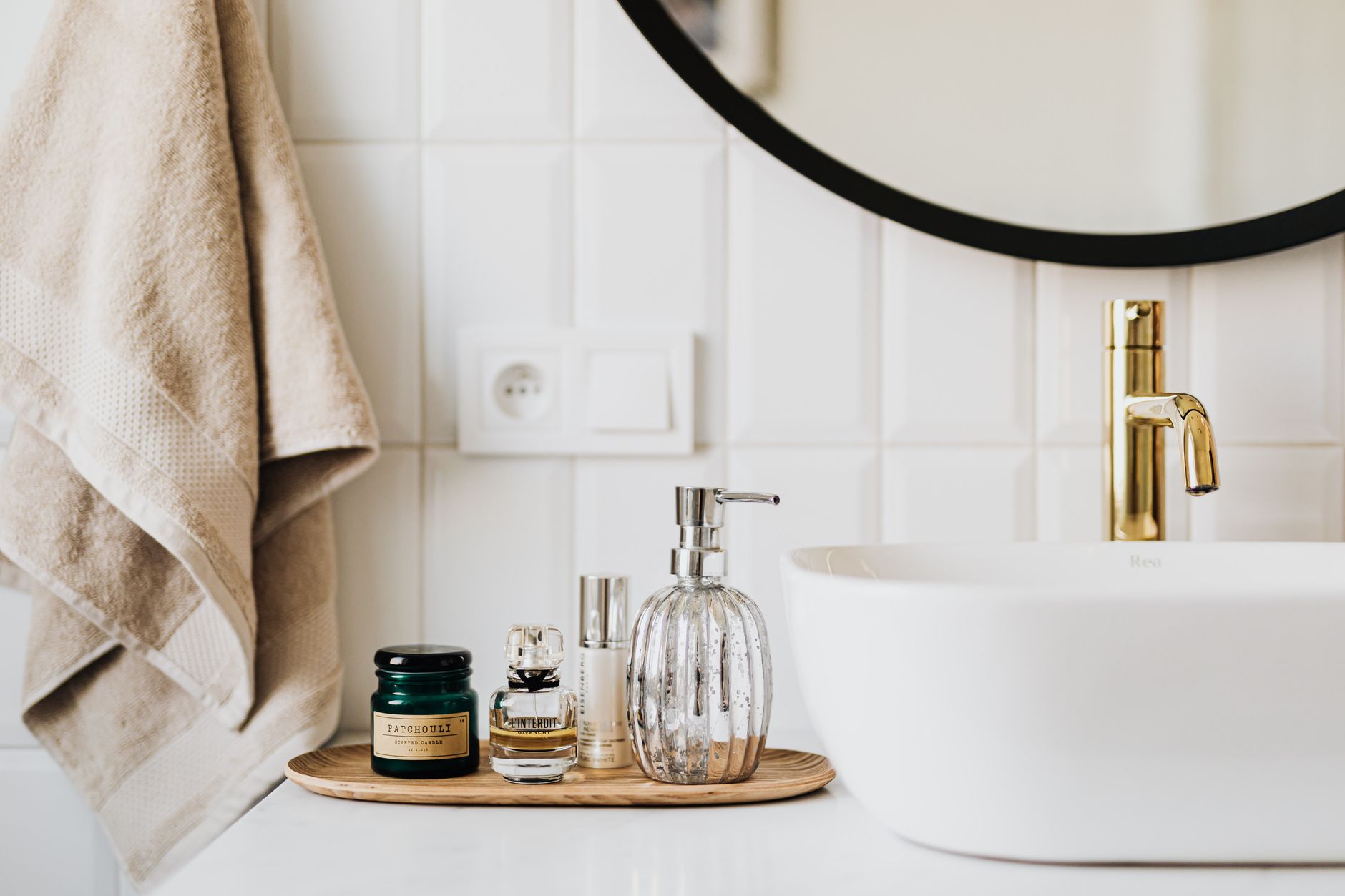
Begin with clean, completely dry skin—applying retinal to damp skin can increase penetration and irritation. Dispense a pea-sized amount and dot it across your forehead, cheeks, chin, and nose, then gently smooth it outward. Avoid the delicate skin around your eyes and the corners of your nose and mouth unless the product specifically says it’s safe for those areas. Follow with a fragrance-free moisturizer to lock in hydration and buffer the active.
Consistency matters more than intensity. Use retinal only at night, since sunlight breaks it down and can heighten sensitivity. During the day, sunscreen is non-negotiable—SPF 30 or higher, every single morning, rain or shine. If you experience mild flaking early on, try the “sandwich method”: moisturizer, then retinal, then moisturizer again to cushion the active. Give any new formula a full 8 to 12 weeks before judging results.
Our Top Picks Right Now
For beginners, Medik8 Crystal Retinal 3 ($59) is the gold standard—it comes in escalating strengths so you can level up as your skin adjusts, and the encapsulated formula keeps irritation low. If you want luxury results, La Roche-Posay Retinol B3 Serum ($44) blends retinal-adjacent actives with niacinamide for stubborn texture and fine lines, and it’s a dermatologist favorite for sensitive skin. Budget-conscious shoppers should reach for The INKEY List Retinal Anti-Aging Serum ($22), which punches well above its price point.
For those chasing serious firming, Paula’s Choice Clinical 0.3% Retinol + 2% Bakuchiol ($67) pairs retinoids with a plant-based booster, ideal for anyone over 40 wanting visible lift. And if you spotted retinal deals during the Nordstrom Anniversary Sale, Shani Darden Retinol Reform ($92) is worth grabbing—it’s beloved by celebrity facialists for delivering smoother, brighter skin without downtime, making it perfect for special-occasion prep or a serious anti-aging investment.
Mistakes to Avoid
Even the best serum won’t work if you sabotage it. Retinal is forgiving compared to prescription options, but it still demands respect and a little patience.
- Skipping sunscreen—retinal makes skin more sun-sensitive, and UV exposure undoes all your progress
- Layering with strong acids or vitamin C on the same night, which overwhelms your barrier and causes irritation
- Using too much product—more retinal doesn’t mean faster results, just more peeling
- Quitting after two weeks—the purging and adjustment phase is temporary, so give it at least two months
Final Verdict
If you want smoother, firmer, brighter skin without a prescription or the brutal peeling, retinal is the smartest upgrade you can make to your routine. Start with Medik8 Crystal Retinal 3 if you’re new, or splurge on Shani Darden Retinol Reform for spa-level results. Pair it with diligent SPF and a hydrating moisturizer, stay consistent, and your skin will reward you within a couple of months.
🛍 Shop These Products
- La Roche-Posay TolerianeAmazonShop Now →
- Paula’s Choice BHAAmazonShop Now →
- CeraVe Moisturising CreamAmazonShop Now →
- The Ordinary NiacinamideSephoraShop Now →
✦ This post contains affiliate links. If you purchase through our links, we may earn a small commission at no extra cost to you. We only recommend products we genuinely love.